Choosing the right approach to fixing bluetooth issues on windows 11 starts with clear context, practical filters, and realistic expectations.
Introduction to Bluetooth Connectivity on Windows 11
Bluetooth technology has become an integral part of our daily lives, allowing us to connect various devices wirelessly. However, like any other technology, Bluetooth is not immune to issues, especially on Windows 11. Users often encounter problems such as failed connections, dropped calls, or inability to discover devices. These issues can be frustrating, but fortunately, most of them can be resolved with the right approach.
Common Bluetooth Issues on Windows 11
Device Discovery Problems One of the
most common issues users face is the inability of their Windows 11
device to discover nearby Bluetooth devices. This can be due to a variety of reasons, including outdated drivers, incorrect settings, or interference from other devices. Understanding the cause of the problem is crucial in finding an effective solution.
Connection Drops and Failures Another prevalent issue is the frequent dropping of Bluetooth connections or the failure to establish a
connection in the first place. This can be caused by hardware faults, software glitches, or issues with the device's Bluetooth adapter. Identifying whether the problem lies with the Windows 11 device or the external Bluetooth device is a key step in troubleshooting.
Troubleshooting Bluetooth Issues Effective
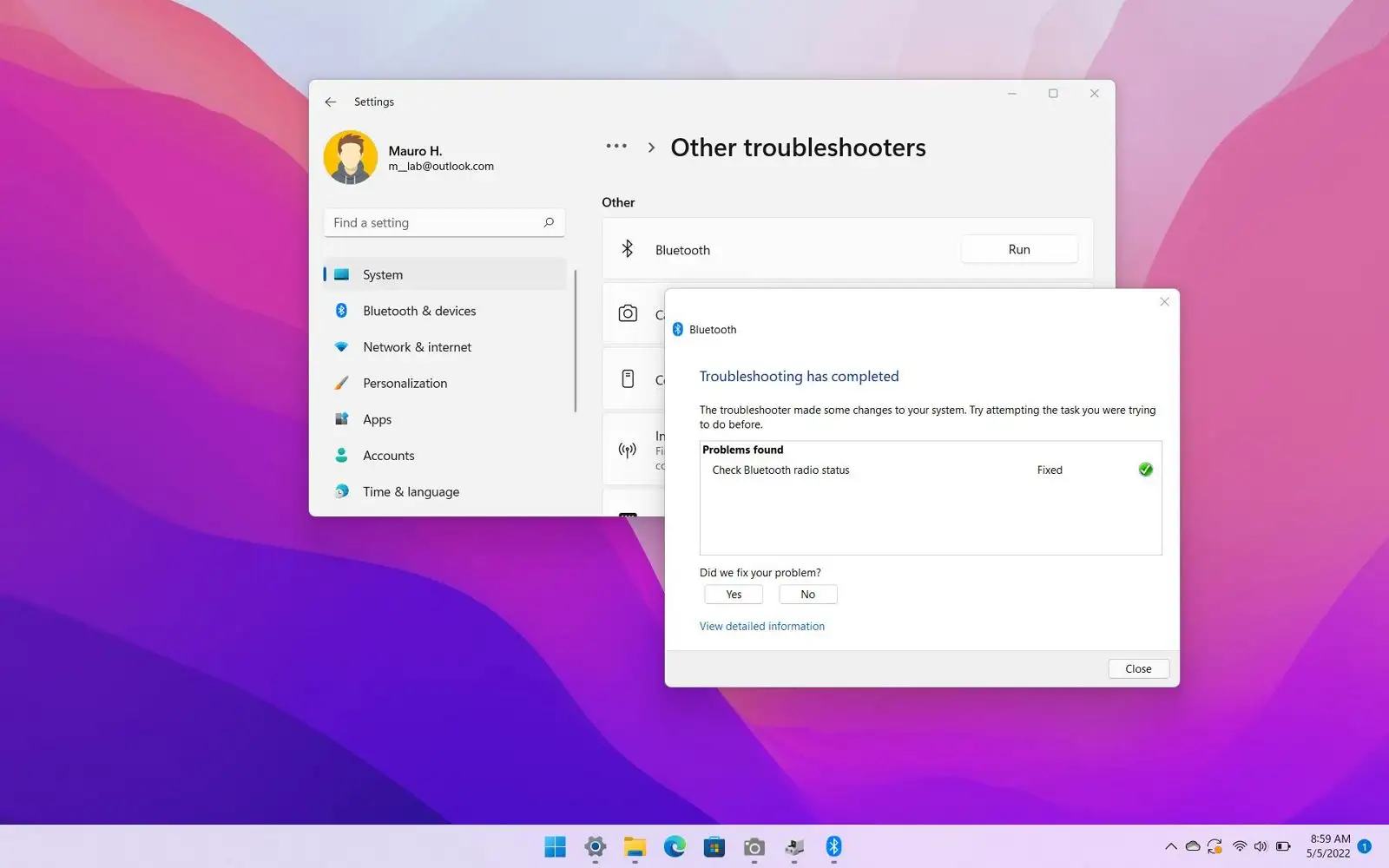
troubleshooting involves a systematic approach to identify and resolve the issue. This includes checking the device's Bluetooth settings, updating drivers, disabling and re-enabling the Bluetooth adapter, and ensuring that the device is properly paired. Additionally, understanding the limitations of Bluetooth technology, such as range and interference, can help in setting realistic expectations.
Utilizing Built-in Windows 11 Tools Windows 11 comes with a range of built-in tools that can help in diagnosing and fixing
Bluetooth issues. The Device Manager, for instance, can be used to update drivers, disable devices, or troubleshoot hardware problems. The Settings app also provides options to manage Bluetooth devices, including the ability to remove and reinstall devices. Leveraging these tools can often resolve connectivity issues without the need for third-party software.
Third-Party Tools and Software for Bluetooth Troubleshooting In some cases, built-in tools may not be sufficient to resolve the issue, and

third-party tools can provide additional functionality and diagnostic capabilities. Some popular options include: - Bluetooth Driver Installer: A tool designed to install and update Bluetooth drivers. - Bluetooth Viewer: Software that allows users to view detailed information about their Bluetooth devices. - Device Monitor: A utility that monitors device connections and can help identify connectivity issues. - Bluetooth Network Analyzer: A tool used to analyze and troubleshoot Bluetooth network connections. - Bluetooth Troubleshooter: A software designed to automatically detect and fix common Bluetooth issues.
Practical Examples and Realistic Use Cases
Understanding how to apply troubleshooting techniques in real-world scenarios is essential. For example, if a user is having trouble connecting their Bluetooth headphones to their Windows 11 laptop, they might start by ensuring that the headphones are properly paired, then move on to updating the Bluetooth drivers, and finally, if necessary, use a third-party tool to diagnose the issue.
Limitations and Workflow Tips It's also important to be aware of the
limitations of Bluetooth technology and how these can impact workflow. For instance, understanding that physical barriers can significantly reduce Bluetooth signal strength can help in planning device placement. Additionally, maintaining up-to-date drivers and regularly checking for device firmware updates can prevent many common issues.
Conclusion and Next Steps Fixing
Bluetooth issues on Windows 11 often requires patience, persistence, and the right approach. By understanding the common issues, utilizing built-in and third-party tools effectively, and being aware of the technology's limitations, users can resolve most connectivity problems. The key is to approach each issue systematically, ruling out potential causes one by one until the solution is found.