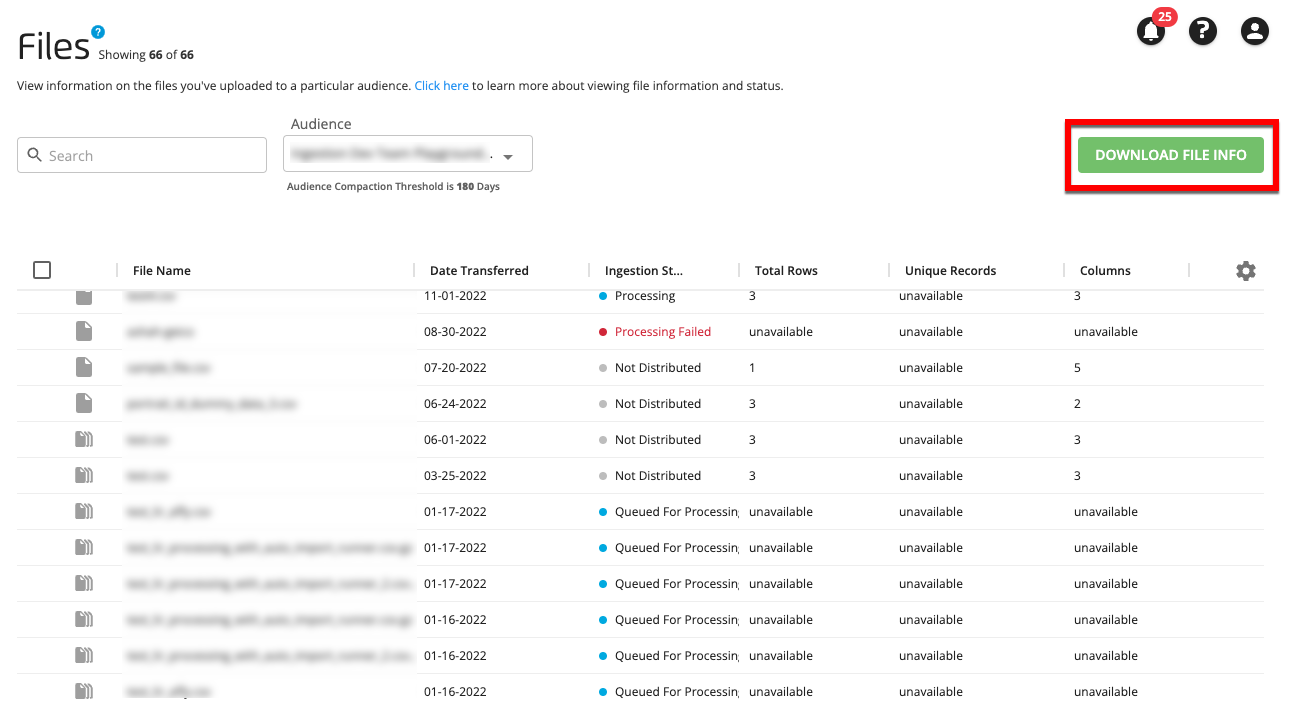
Choosing the right approach to download file info made easy starts with clear context, practical filters, and realistic expectations.
Introduction to Download File Info
When you download a file from the internet, it's not just the content of the file that's important, but also the information associated with it. This information, known as file metadata, can include details such as the file type, size, and source. Having access to this information can be crucial for a variety of reasons, from verifying the authenticity of a download to ensuring that you have enough storage space for the file.
Understanding File Metadata File metadata is essentially "data that provides information about other data".
In the context of downloaded files, metadata can include: - File type: The format of the file, such as MP3, PDF, or EXE. - File size: The amount of storage space the file occupies, usually measured in bytes, kilobytes, or megabytes. - Source: The URL or website from which the file was downloaded. - Creation date: The date and time the file was created. - Modification date: The date and time the file was last modified.
Why Download File Info Matters
Knowing the metadata of a downloaded file can help in several ways: - Security: By checking the file type and source, you can avoid opening malicious files that could harm your computer. - Storage Management: Understanding the file size helps in managing your storage space efficiently, ensuring you don't run out of space unexpectedly. - Organization: Metadata like creation and modification dates can help you organize your files better, making it easier to find specific files when needed.
Tools for Viewing Download File Info
- There are several tools and methods to view the metadata of downloaded files. Here are a few options:
- File Explorer: Most operating systems have a built-in file explorer that can display file metadata. For example, in Windows, you can right-click on a file and select "Properties" to view its metadata.
- Command Prompt/Terminal: Using commands like
dirin Windows orlsin macOS and Linux, you can view file metadata in the command line. - Third-Party Software: Programs like Total Commander or FileMeta can provide detailed metadata information about files.
- Online Tools: Websites that offer file analysis can provide metadata and even scan files for viruses.
- MediaInfo: A tool specifically designed for viewing detailed metadata of media files like videos and audio files.
Practical Examples of

Using Download File Info - Troubleshooting: If a downloaded file won't open, checking its metadata can give clues about what's wrong. For example, if the file type is incorrect, you might need to download a different version or use a different program to open it. - File Recovery: Knowing the original file name and type can be helpful if you need to recover a deleted file, as the recovery software might be able to repair the file based on this information.
Limitations and Considerations
While having access to download file info is incredibly useful, there are limitations and considerations: - Privacy: Some files may contain sensitive metadata that you wouldn't want to share. - Accuracy: The metadata might not always be accurate, especially if the file has been modified or tampered with. - Compatibility: Different operating systems and devices might display or handle file metadata differently.
Best Practices for Managing Downloaded Files
To get the most out of your downloaded files and maintain good digital hygiene: - Organize Regularly: Use the metadata to organize your files into folders and categories. - Verify Sources: Always verify the source of a file to ensure it's from a trusted location. - Scan for Viruses: Use antivirus software to scan downloaded files for malware.
Conclusion
Download file info is more than just supplementary data; it's essential for managing, verifying, and securely handling your digital files.
By understanding and utilizing file metadata effectively, you can enhance your digital experience, protect your devices from potential threats, and maintain a well-organized digital library.